
Acne scars and skin texture
Depressions and an uneven skin “texture” after acne can stay for years — but they can be visibly reduced. We rebuild the skin layer by layer: with a fractional laser and with microneedling. At your consultation we will assess the type of scarring (depressed, “ice-pick”, rolling) and match the technology and the number of treatments.
Acne scars — why the skin stays uneven
Acne scars are a permanent trace of acne inflammation — the result of faulty collagen remodelling during healing. In some people they are narrow, deep “ice-pick” marks, in others wider depressions with sharp edges, or undulating, “rolling” irregularities. They are often accompanied by generally uneven texture, enlarged pores and post-inflammatory pigmentation.
The good news is that skin texture really can be rebuilt. A controlled, microscopic injury — from a fractional laser beam or from microneedles — triggers the production of new collagen, which gradually fills and smooths the scar. At Velvet Skin Clinic we match the method to the type of scarring, and we often combine techniques within a single plan. If acne is still active, we calm it down first — and this is helped by active acne therapy.
See the details
How we rebuild the skin texture
We work on the principle of controlled regeneration: the Er:YAG fractional laser (Fotona) vaporises microcolumns of the epidermis and the dermis, while microneedling radiofrequency and microneedling deliver the stimulus deeper down. In response the skin produces new collagen and elastin, which fill the depressions and even out the surface. The effect builds over the weeks after the treatment and accumulates across a course — which is why we speak of visibly shallower scars rather than of a one-off “removal”.
Experience in working with scars and skin texture
We have the Fotona Er:YAG fractional laser, Vivace microneedling radiofrequency and the Dermapen 4 device — which lets us match the technology and the working depth to the type of scarring.
Source: Versum and Booksy reports, as at 30.06.2026 (total treatments performed for acne scars and skin texture; client numbers and return rates — data for the whole clinic).
Where acne scars come from
Deep inflammation
The deeper and longer the inflammation (papules, cysts, cystic lesions), the greater the risk of permanent collagen damage and of scarring.
Squeezing and irritation
Mechanical damage to the lesions — squeezing, picking — deepens the injury and encourages both scarring and pigmentation.
Predisposition and time
The tendency to scar varies from person to person. The longer scars go untreated, the more firmly their structure sets.
Identify the type of your scars
Ice-pick scars
Narrow and deep, like pinpricks. They call for the deepest, most targeted approach — a fractional laser, sometimes combined techniques.
Depressed scars (boxcar)
Wider depressions with fairly sharp edges. They respond well to Er:YAG fractional resurfacing, which evens out the surface.
Undulating scars (rolling)
A diffuse “waviness” of the skin caused by connective-tissue tethering. Microneedling radiofrequency and microneedling work well here.
Most often scars of different types coexist — which is why we agree the plan and the choice of technology individually at your consultation.
Acne scars that are hard to hide? Book a consultation — we will assess their type and match the right method for rebuilding your skin.
Book a consultationRecommended options for scars and skin texture
We rebuild skin texture with energy and microneedling — matching the technology to the type and depth of the scarring. We often combine methods. Each one has its own dedicated page.
Fotona fractional laser resurfacing
Fractional Er:YAG vaporises microcolumns of skin and stimulates collagen rebuilding — it smooths depressions and evens out the surface, especially in boxcar scarring.
Vivace microneedling radiofrequency
Microneedles deliver energy deep into the skin, stimulating remodelling — effective for rolling scars and for improving overall texture.
Dermapen 4
Mechanical microneedling stimulates regeneration and improves skin texture — often combined with other methods within a course.
Laser scar removal
A comprehensive laser approach to scars of various origins — for when, alongside acne scarring, we are also working with other marks on the skin.
A quick comparison
| Method | Works best on | Result | Course |
|---|---|---|---|
| Er:YAG fractional laser | boxcar scars, overall texture | smoothing and remodelling of the surface | a course of 3–5 treatments |
| Vivace microneedling RF | rolling scars, texture | remodelling of the deeper layers | a course of treatments |
| Dermapen 4 | texture, shallower irregularities | stimulation of regeneration | a course, often combined |
| Laser scar removal | mixed and post-traumatic scars | an individual combined plan | as assessed |
What the research says about treating acne scars
Fractional lasers and microneedling are among the best-documented methods for improving atrophic scars. Below are the publications on which we base our choice of technology.
Energy-based treatment of atrophic scars
A review of energy-based methods in the treatment of atrophic acne scars — it confirms improvement in skin texture.
Liu et al., 2024 · PubMed →The fractional laser in skin resurfacing
A review of the use of fractional lasers in improving the surface and texture of facial skin.
Carniol et al., JAMA Facial Plast Surg 2015 · PubMed →The effectiveness of skin microneedling
A review of the evidence on microneedling in improving scars and skin texture.
Atiyeh et al., Aesthetic Plast Surg 2021 · PubMed →Informational and educational material — it does not replace a medical consultation. The studies cited concern the methods as a group; results are individual.
Scar treatment step by step
Once we have assessed the type of scarring, we choose the technology and the settings. The treatment is carried out under local anaesthetic (cream); the sensation is one of warmth and tiny pricks. Afterwards the skin may be red and slightly swollen for a few days, and the remodelling effect builds over weeks.
Your consultation and scar assessment
Establishing the type of scarring and the condition of the skin, taking a history and choosing the technology.
Preparation
Cleansing of the skin and local anaesthetic for comfort.
The fractional / microneedling treatment
A controlled micro-injury that stimulates collagen remodelling.
Recovery and the course
The skin heals over a few days; the effect accumulates across a course of treatments.
How to care for skin after treatment and protect the result
After remodelling the skin needs to recover and to be protected. The right aftercare speeds up healing and consolidates the improvement in texture.
Sun protection
SPF 50 every day — freshly remodelled skin is sensitive to the sun, which encourages pigmentation.
Gentle recovery
For a few days, soothing and moisturising products only, with no retinoids, acids or scrubbing.
Leave the skin alone
We do not pick off scabs or flaking skin — this is the key to smooth healing.
Patience with the result
New collagen forms over weeks — we assess the full effect after the course, not after the first treatment.
Keeping acne under control
If acne flares from time to time, we manage it in parallel so that new scars do not form.
Informational and educational material. Detailed recommendations are given by your specialist; results are individual.
They trusted us
“I warmly recommend it, complete professionalism. The procedure for laser treatment of acne scars was explained in detail. A great result, I am very pleased.” (translated from Polish)
Karolina P. · 2024review from Google“My problem skin is no longer a problem :) The team dealt brilliantly with my acne scarring and with my oily skin.” (translated from Polish)
Dorota B. · 2025review from Google“I have got rid of the thing I was self-conscious about — my acne scars. I highly recommend it.” (translated from Polish)
Lena J. · 2024review from GoogleWhen to take extra care
Scar treatment is always preceded by a medical history. The main contraindications and situations calling for caution:
In people prone to keloids and after isotretinoin we plan treatment with particular care, working with a dermatologist where needed.
Frequently asked questions about acne scars
Can acne scars be removed completely?
Scars usually cannot be removed 100%, but they can be visibly reduced and the skin texture evened out — often by more than half over a course of treatments. The realistic goal is markedly smoother, far less noticeable skin, rather than a “zero” scar.
How many treatments are needed?
Most often a course of 3–5 treatments every few weeks, depending on the type and depth of the scarring. We agree the exact plan at your consultation, after assessing your skin.
What does a scar treatment feel like?
We work under local anaesthetic (cream), so the treatment is well tolerated — you feel warmth and tiny pricks. Afterwards the skin may be red and slightly swollen for a few days.
When can I start scar treatment?
We calm active acne first — we begin rebuilding the scars once the skin is settled. If you have taken isotretinoin, we leave an appropriate gap after the course.
How does the laser differ from microneedling for scars?
The fractional laser works mainly at the surface and in the dermis (excellent for boxcar scars and for texture), while microneedling radiofrequency reaches deeper (better for rolling scars). We often combine the two methods for a fuller result.
How much does it cost?
The price depends on the method, the size of the area and the number of treatments in the course. We provide a quote at your consultation, and full rates are available in the price list. The consultation includes a scar assessment.
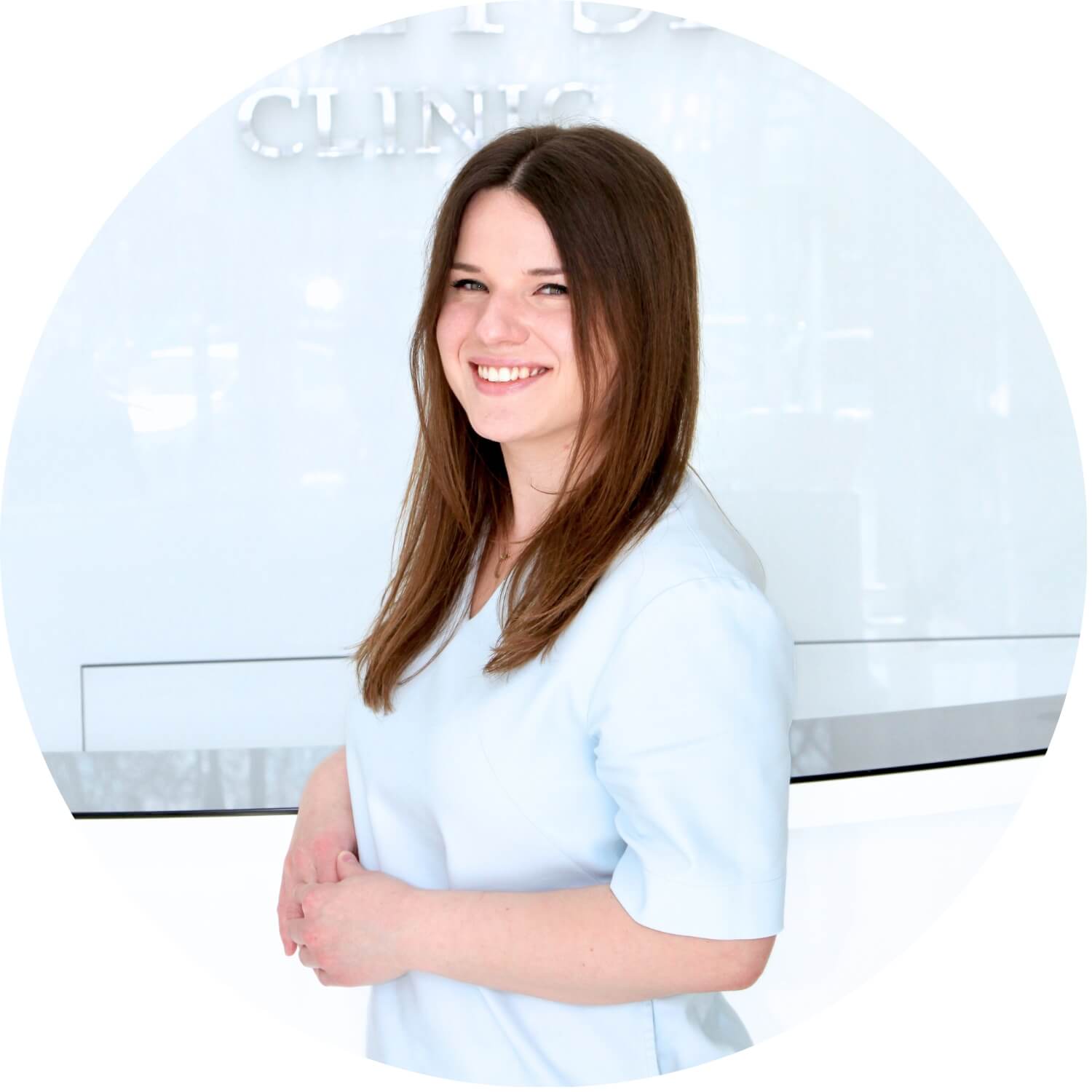
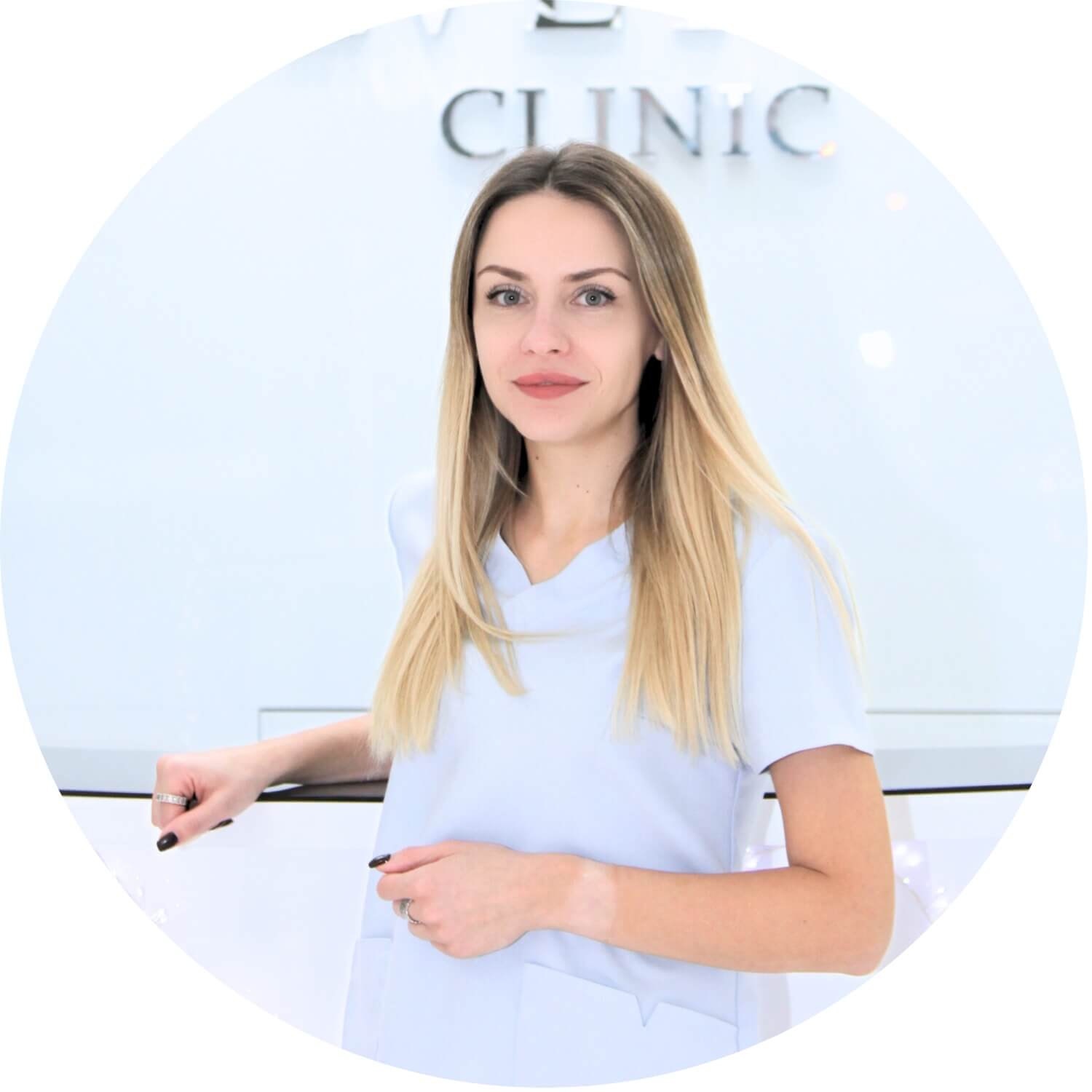
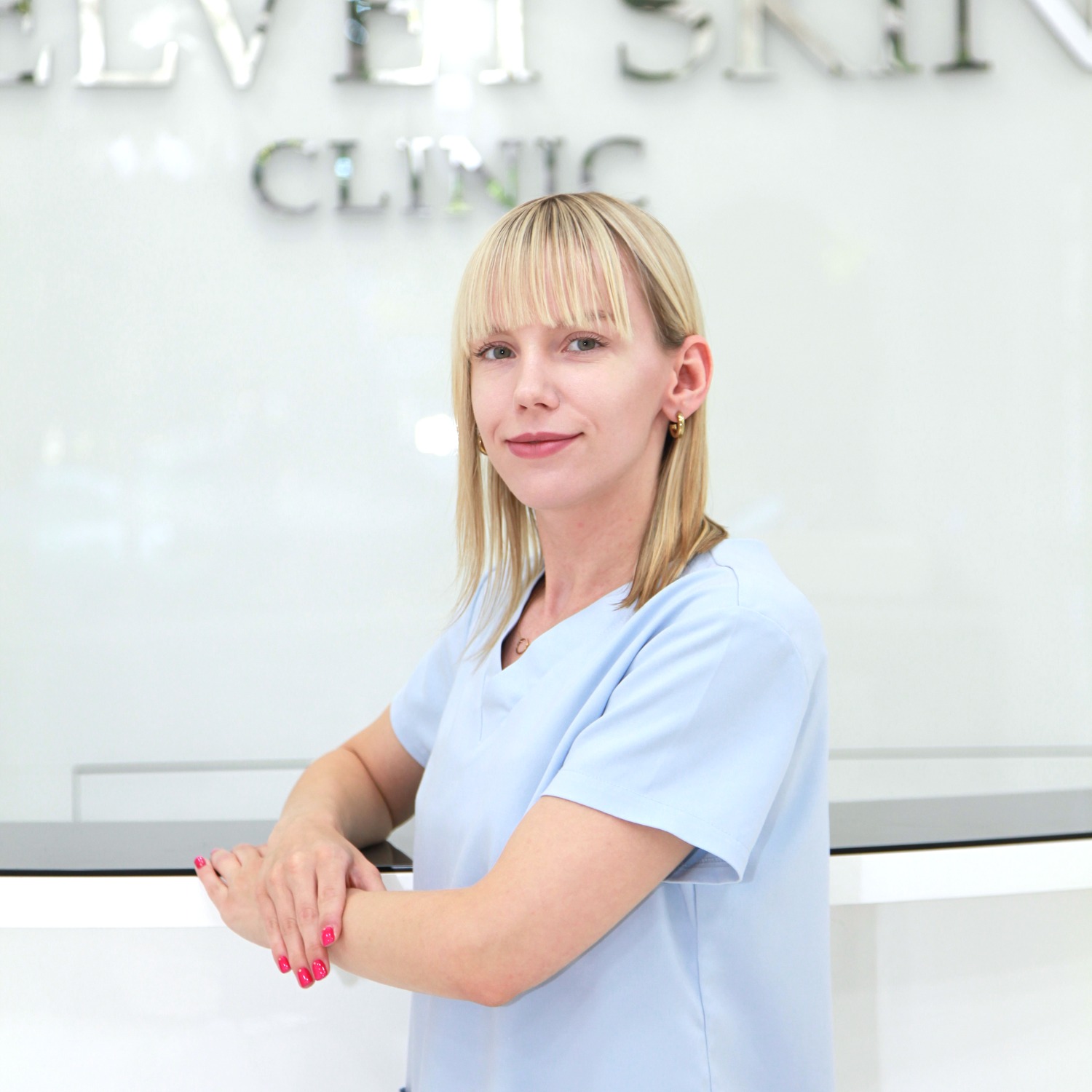
Treatments are performed by our cosmetologists
Treatments at Velvet Skin Clinic are performed by certified cosmetologists with many years of experience in laser therapy, hi-tech devices and skin care treatments. After a consultation we match the method and the specialist to your skin and your goal.



Book a consultation
ul. Świętokrzyska 30
00-116 Warszawa · opposite the Palace of Culture and Science
tel. 500 53 30 30